LaserTight by Lilaser For patients Let’s talk

LaserTight by Lilaser

Laser treatments
for your face and body.

Localised fat or loose skin on the face, neck or body calls for an individual approach. LaserTight brings together laser technology, treatment protocols and medical expertise to take account of your features and expectations. Treatment uses a fine laser fibre inserted beneath the skin and may be combined with liposuction when appropriate.

A woman in a bright interior, illustrative image

Fat & skinThe whole picture

Precision in treatmentStructured protocols

Medical expertiseTrained practitioners

Your face, neck
and body.

The area you are concerned about and the change you would like are the starting point for your treatment discussion. Explore the questions to ask your surgeon.

Three-quarter portrait of a woman showing her face and neck

Face and neck

Fullness beneath the chin, a less defined jawline or loose skin on the neck: your surgeon examines the contours and skin to understand your concerns. They explain what laser treatment could offer in your case and the other options available.

  • Excess fat beneath the chin
  • A less defined jawline
  • Loose skin on the neck
Let’s talkExplore my options
A woman standing with her arms relaxed at her sides

Body contouring

Abdomen, flanks, thighs or arms: your concern may involve excess fat, loose skin or both. Your surgeon takes account of your body shape and the change you would like before recommending an approach.

  • Localised excess fat
  • Loose skin
  • Changes in body shape after pregnancy or weight changes
Let’s talkExplore my options

Addressing excess fat
and loose skin.

Fat distribution and skin elasticity both contribute to the contours of the face, neck and body. Treatment considers both: reducing excess fat, encouraging skin tightening or combining the two, according to your needs.

Diagram of a laser fibre guided by a cannula beneath the skin, in contact with fatty tissue
Illustration of treatment beneath the skin.

Reduce localised fat

Where appropriate, laser treatment is combined with liposuction, also called lipoaspiration. Fat is then removed by suction to refine the treated area.

Encourage skin tightening

Laser energy acts on the supporting tissues beneath the skin. The aim is to encourage the skin to contract and become firmer.

Tailor treatment to your goals

Your surgeon identifies the areas to treat and decides whether to combine laser treatment with liposuction. They take into account your features, your skin and the result you would like to achieve.

Laser treatment without liposuction

The laser fibre works beneath the skin, without removing fat by suction.

Laser-assisted liposuction

Laser treatment is combined with the removal of fat by suction.

Your surgeon determines which approach is appropriate and explains the anaesthesia and what to expect during recovery.

LaserTight by Lilaser

From equipment to technique,
the same attention to detail.

Instruments that work together

LaserTight combines a laser, fibres and cannulas to deliver energy beneath the skin. Temperature monitoring helps the practitioner control the treatment.

Structured protocols

The protocols set out each stage of treatment for fat and supporting tissues. The practitioner adapts them to the areas being treated and the characteristics of your skin.

Practitioner training

Lilaser trains practitioners to use the equipment and perform the treatment techniques. Sharing experience complements this training.

What would you like
to improve?

Choose an area, then the concern you would like to explore, to find out about possible treatments. Only a medical examination can determine which approach is suitable for you.

Your goals are
the starting point.

Choose face and neck or body, then the concern you would like to explore. You’ll find information to help you prepare for a conversation with your surgeon.

To discuss at your consultation

  • The area you are concerned about
  • The change you would like
  • Questions to ask your surgeon
Let’s talk
Back to the other topics

This information does not replace a medical consultation. Your selection is not sent to Lilaser.

From your first consultation
to follow-up care.

  1. Listening to you

    You talk with your surgeon about your expectations, your health and the practical demands of your daily life.

  2. Planning your treatment

    After examining you, your surgeon explains the possible treatments, expected results and risks. You receive a personalised written quotation.

  3. Having your treatment

    The procedure takes place at a clinic or in an operating theatre, using the protocol and anaesthesia agreed at your consultation.

  4. Supporting your recovery

    The team gives you aftercare instructions and arranges follow-up appointments.

At a clinic or in an operating theatre,
depending on your treatment.

At the clinic

Without general anaesthesia

Some treatments can be performed at a clinic under local anaesthesia. Your surgeon first checks that this is appropriate for the area being treated, the extent of the procedure and your health.

In an operating theatre

Under local or general anaesthesia

An operating theatre may be appropriate depending on the areas being treated, the amount of fat to remove, any other procedures planned and your health.

Every LaserTight treatment involves passing a laser fibre through the skin. Your surgeon explains the procedure, the anaesthesia and what to expect afterwards.
Planning your recovery

Your questions
about laser treatment.

Understand your options and make an informed decision.

Let’s talk
Could this treatment suit me?

Your surgeon examines the fat beneath your skin and your skin’s elasticity, then discusses the change you would like. They may suggest laser treatment beneath the skin, with or without liposuction, or another treatment if it better meets your expectations.

Liposuction changes body contours; it is not a treatment for obesity. A substantial amount of excess skin may require surgery to remove it. If your concern is cellulite or stretch marks, discuss this with your surgeon: these need a different approach.

Is my double chin caused by fat or loose skin?

Fullness beneath the chin can involve both fat and loose skin. The shape of your chin and neck also affects their appearance. An examination helps identify these different factors before a treatment is suggested.

Depending on your needs, your surgeon may consider laser treatment alone, laser treatment with liposuction or another approach. Having a double chin does not, on its own, determine which treatment is appropriate.

Can laser treatment improve my jawline or replace a facelift?

Laser treatment may be considered for certain concerns involving fullness or loose skin. Your surgeon also examines the deeper tissues that contribute to the contours of your face and neck.

Laser treatment and a facelift do not address all the same concerns. If excess skin needs to be removed or tissues repositioned, another procedure may be more appropriate. Your surgeon explains which approach suits the changes you would like.

When will bruising and swelling be less visible on my face and neck?

Bruising and swelling may be visible after treatment. How they settle depends on the area, the extent of treatment and your individual response. The result becomes clearer as the tissues recover.

Before choosing a date, discuss work commitments, important appointments and upcoming events. Your surgeon helps you plan for recovery and explains aftercare, any compression requirements and when you can wear make-up again.

What precautions protect facial sensation and movement?

Your surgeon takes account of facial and neck anatomy when choosing the treatment areas and tissue layers. Careful technique and temperature monitoring are among the precautions taken during the procedure.

Before treatment, they explain the risks relevant to the areas concerned and the signs you should report during recovery, including unusual changes in facial sensation or movement.

Will I need general anaesthesia?

Not always. Some treatments can be performed at a clinic under local anaesthesia. In an operating theatre, anaesthesia may be local or general, depending on the treatment, its extent and your health. Your surgeon explains the choice before you make your decision.

In every case, the laser fibre is inserted beneath the skin. Treatment therefore requires an entry point through the skin.

What results can I expect?

Treatment aims to reshape the contours of your face, neck or body by reducing localised fat and encouraging skin tightening, according to your needs. Trials of laser treatment combined with liposuction report encouraging but variable results. The outcome depends in particular on your skin, the areas treated and the technique used.

Swelling may initially hide the result, which becomes clearer over several months. During your consultation, your surgeon explains what you can reasonably expect. No individual result can be guaranteed.

Read the research findings
What is recovery like?

The treated area may feel tender or painful, with bruising and swelling. You may be prescribed a compression garment. When you can return to work and exercise depends on the extent of treatment and your activities.

Before setting a date, plan for your return home: will you need help, have to drive or look after children? The team helps you prepare for this period and explains when you can resume your activities.

What are the risks?

Studies of laser-assisted body liposuction report low rates for several local complications. These findings are encouraging, but concern the patients studied. The choice of treatment, the practitioner’s experience and follow-up care remain essential. Understand the safety evidence.

Any treatment beneath the skin carries risks, including contour irregularities, asymmetry, infection, changes in sensation or problems with healing. Laser treatment can also cause burns. Serious complications are possible, including those associated with anaesthesia or blood clots.

Assessment beforehand, practitioner training and monitoring are important, but do not eliminate risks. Your surgeon explains the risks of your treatment, the precautions taken and what to do if a complication occurs.

In France, call 15 or 112 immediately if you develop sudden breathlessness or chest pain after a procedure. Do not wait for a reply to a message.

How much will treatment cost?

The cost depends on the areas treated, the extent of treatment, the anaesthesia and where the procedure takes place. In France, the quotation should set out the professional fees, facility charges, equipment, anaesthesia and follow-up care, as well as any possible additional costs.

Ask about the consultation fee before your appointment and the terms for any touch-up procedure. In France, purely cosmetic treatment is not covered by the national health insurance system (Assurance maladie). A personalised quotation lets you know the cost of treatment before you decide.

What if my body has changed after pregnancy or weight loss?

These changes may affect fat distribution, skin elasticity or the abdominal wall. An examination helps determine what can be improved and which treatment may help, taking into account any plans for a future pregnancy. A substantial amount of excess skin may require more than laser treatment alone.

Does asking for information commit me to treatment?

No. An initial conversation lets you ask about the treatments and consultation options. It does not replace a medical examination or book an appointment. There may be a consultation fee; the practitioner will confirm this.

You can seek a second opinion or decide not to proceed. In France, cosmetic surgery requires a minimum cooling-off period of fifteen days after you receive the detailed, dated and signed quotation.

What the research
tells us.

Clinical studies explore what laser treatment may add to liposuction: skin tightening, more defined contours and comfort after treatment.

Skin that tightens

DiBernardo observes greater tightening of abdominal skin when laser treatment is combined with liposuction. Sasaki’s exploratory work also describes skin tightening after laser treatment.

Beneath the chin and around the neck

In Valizadeh’s study, combining laser treatment with liposuction reduces fat beneath the chin more than conventional liposuction. Patients also rate the appearance of their skin more favourably.

In a study without a comparison group, Leclère and colleagues observe improved neck and under-chin contours, with skin tightening after laser treatment.

The contour of the chest

In a study of gynaecomastia, or enlarged breast tissue in men, Wahdan and colleagues observe a better aesthetic result with laser-assisted liposuction than with conventional liposuction.

Comfort after treatment

In Prado’s study, patients experience less pain after laser-assisted liposuction. The aesthetic assessment shows no clear difference from conventional liposuction.

These studies examine different techniques of laser-assisted liposuction and do not specifically assess LaserTight protocols.

Safety,
at every stage.

Laser-assisted liposuction has a documented clinical track record. Published findings on body liposuction are reassuring, with low rates reported for several local complications. At Lilaser, safety is supported by attentive care, from your first consultation through to follow-up after treatment.

The right treatment for you

A medical examination helps determine whether treatment is suitable for you, which areas to treat and the appropriate setting for the procedure.

Precision in practice

Training in laser use, treatment protocols and temperature monitoring help the practitioner perform the procedure with precision.

Planned follow-up care

Before you go home, the team explains your aftercare, follow-up appointments and the signs that should prompt you to contact them.

Our medical
and scientific team.

Our team draws on its clinical experience to develop treatments and train practitioners.

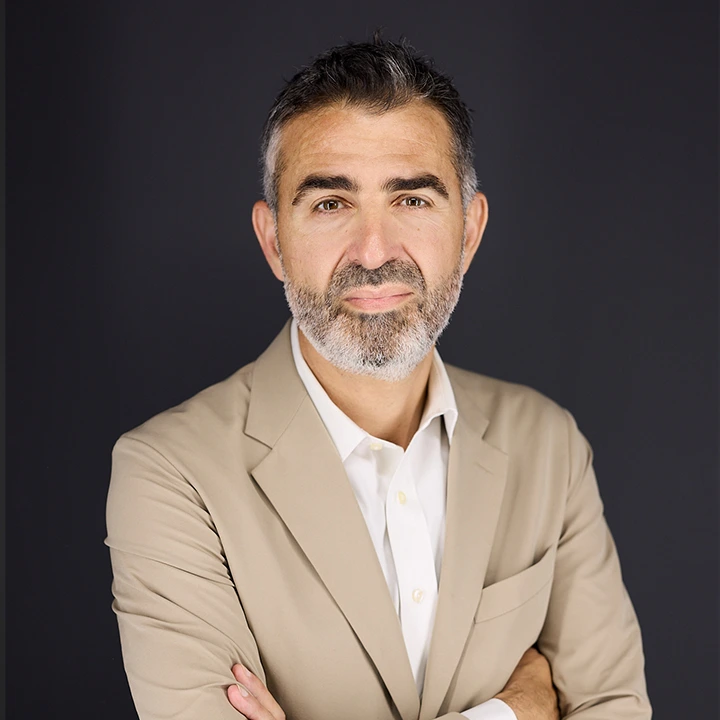
Julien Niddam

Julien Niddam

Surgeon and co-founder

Clinical strategy and training
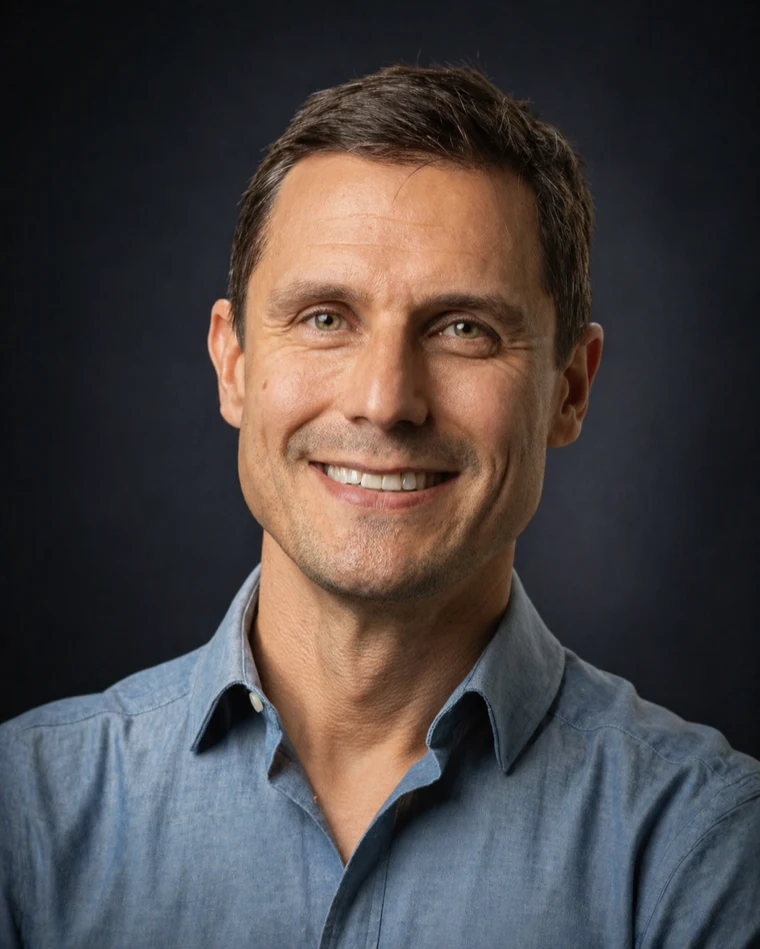
Axel Maurice-Szamburski

Axel Maurice-Szamburski

Medical and scientific leadership

Clinical research and evaluation
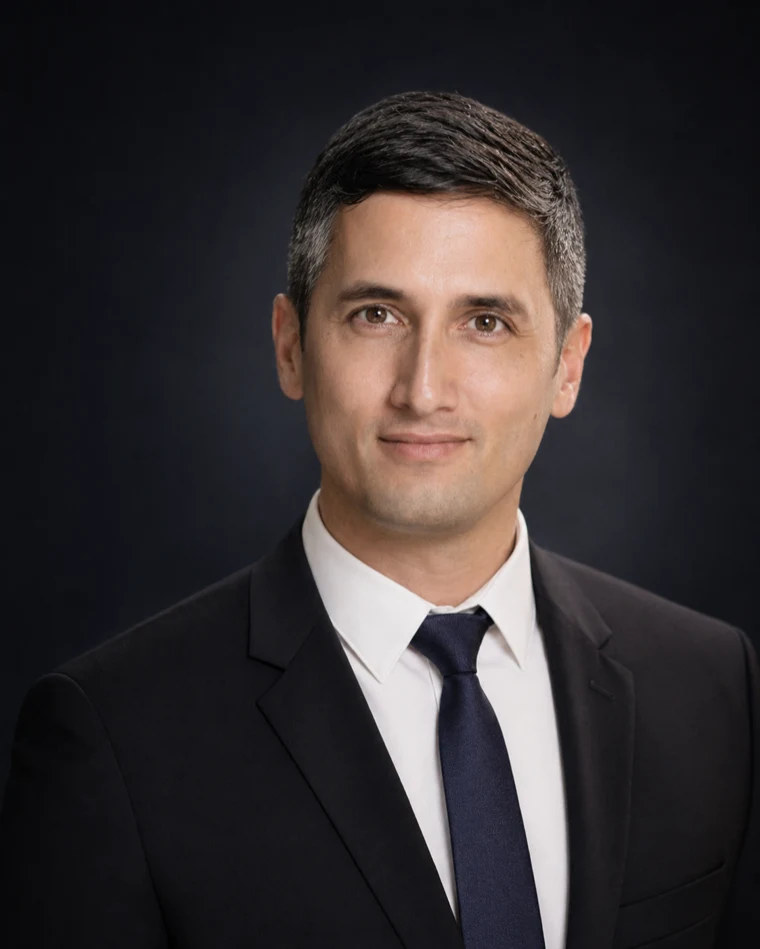
Pierre Nguyen

Pierre Nguyen

Plastic surgeon

Training in treatment techniques
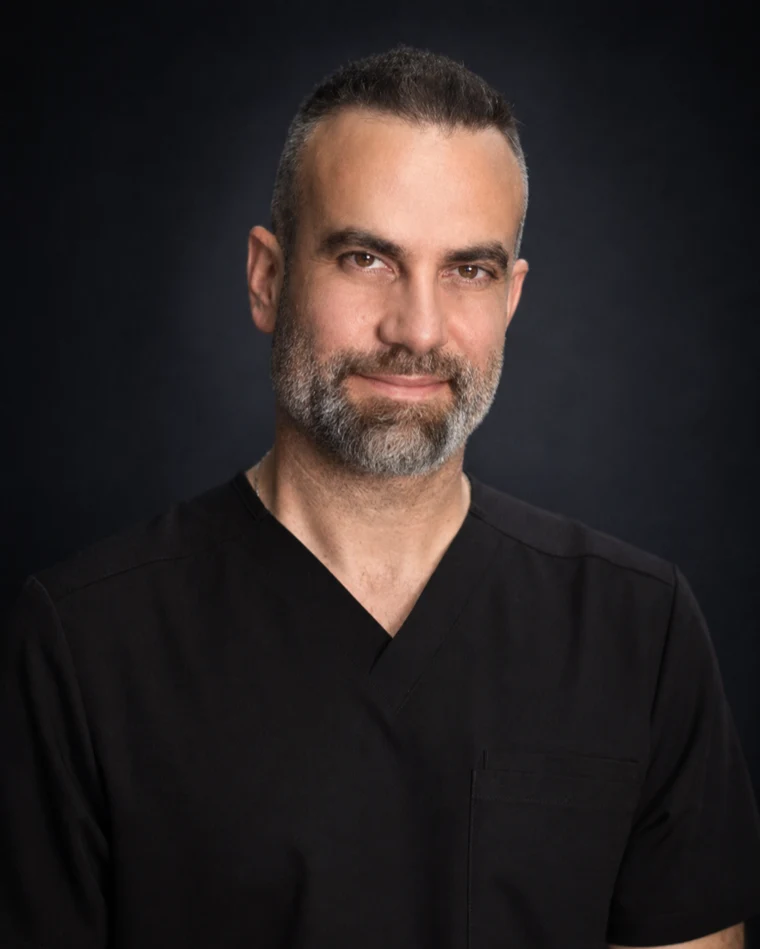
William Watfa

William Watfa

Plastic surgeon

Body contouring surgery and laser treatment
Meet the Lilaser team

It starts
with
a conversation.

Find a surgeon offering LaserTight treatments, then ask their practice to contact you.

Have a question about the treatments? Email the Lilaser team: contact@lilaser.com.
Please do not send photos or medical records with your first enquiry.

Sources, medical information and privacy

Sources

This page draws on Lilaser documentation and the clinical studies listed below. The research section presents findings from individual studies of laser-assisted liposuction. Safety information draws in particular on the meta-analysis by Ahmed and colleagues and on earlier clinical studies. These publications cover different devices and treatment protocols.

About this page

This page is published by Lilaser. The scientific references and patient resources are listed above for you to explore.

This page provides general information about the treatments. A medical examination is needed to find out whether treatment is suitable for you and to discuss its benefits, limitations, alternatives and the risks in your case. The practitioner confirms which equipment is used and whether the treatment is available.

The opening image and the “Face and neck” and “Body” images were generated using artificial intelligence. They illustrate the page and do not show treated patients or treatment results. The anatomical illustration explains how laser treatment works beneath the skin. Team portraits come from the Lilaser website.

Your data

“Use my location” asks for permission to use your position. In France, Lilaser sends it to the public API Géo service to find your town, without storing your precise position. Only the town is used to find a surgeon and may be included in your enquiry. You can always enter a postcode or town instead.

The contact form only asks for your name, email address, optional phone number and the town or village chosen for your search. Lilaser records your enquiry and makes it available to the named surgeon in their secure professional account. The email notifying them does not contain your contact details. Enquiries remain available for 30 days and are then deleted automatically. To ask about your data or request its deletion, email contact@lilaser.com.

The questions you select to prepare for your consultation are separate from this enquiry: they are not sent to Lilaser or the surgeon, and are not retained after you close the page. Any file you download is saved on your device. This page does not use advertising trackers.

Information and sources: 28 September 2026.

Questions to ask
at your consultation.

Tick the questions you would like to ask your surgeon, then download your list to take to your consultation.

My questions for the consultation
Let’s talk